

A multi-stage virtual screening pipeline that takes a target structure and compound library as input and returns a ranked short-list of 20–50 synthesis-ready candidates — docking scores, ADMET flags, and binding-pose images included — within 3–5 business days.
The pipeline covers structure preparation, high-throughput docking, ML-driven re-ranking, ADMET annotation, PAINS filtering, and Benchling export — in a single automated run that produces the same auditable output every time.
Pharmacophore filter + GPU docking + ML re-ranking in a single automated run

Automated structure preparation from experimental PDB files or AlphaFold2 models
Predicted absorption, distribution, metabolism, excretion, and toxicity flags on every candidate

Docking results export directly into partner Benchling instances with no data-reformatting step
Automatic pan-assay interference compound detection before any synthesis decision
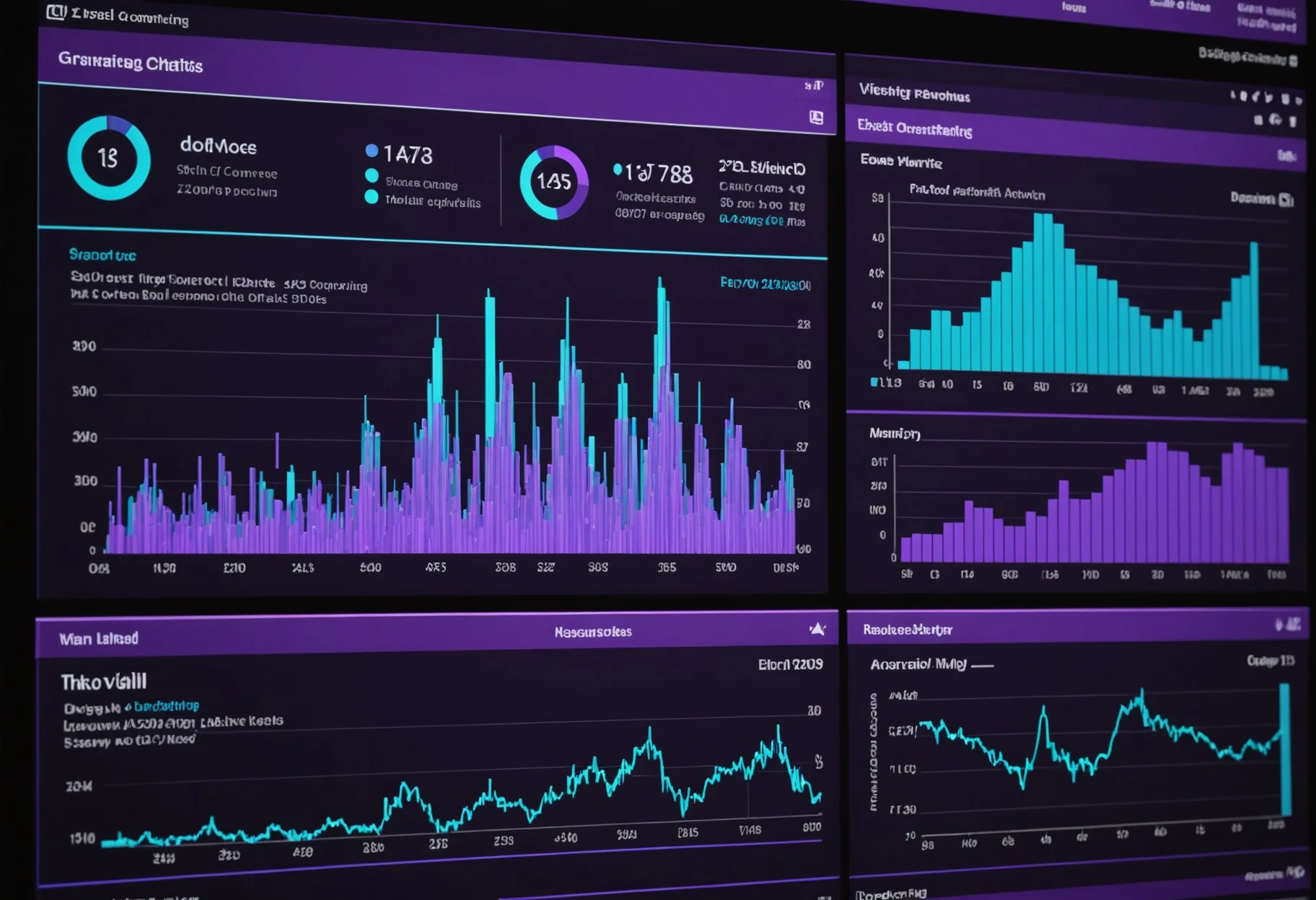
Per-target campaign summaries with docking score distributions, hit-rate metrics, and decision audit trails
The handoff from your team is minimal: a structure file, binding-site residue coordinates, and a compound library. The pipeline handles the rest and delivers a Benchling-ready data package on a 3–5 business day schedule.
Target protein structure file (PDB or AlphaFold2 output), binding-site coordinates, and a compound library of up to 5 million SMILES strings from internal or commercial sources.
Moleculepath runs a three-stage pipeline: pharmacophore filtering reduces the library by 80–90%, Schrodinger Glide SP then XP docking scores the filtered set, and the ML re-ranker incorporates predicted ADMET properties, synthetic accessibility scores, and PAINS alerts to produce the final ranked candidate list.
A ranked short-list of 20-50 candidate compounds with predicted binding poses, docking scores, ADMET flags, and synthesis-feasibility scores - delivered as a Benchling-ready data package within 3-5 business days.
Results are pre-formatted for the tools your team already uses. No reformatting step, no custom parser required — the data package imports directly into your Benchling registry or drops into Dotmatics and SciNote with the same structured format.
 Benchling
 Schrodinger Glide
 OpenEye OMEGA
 Dotmatics
 SciNote
 Chemaxon JChem
The fastest way to evaluate the pipeline is to run it on a target your team already has data on. Request a demo and we’ll scope a sample campaign using your structure and library.